5 Reasons I Disagree with the MarieKondo Method

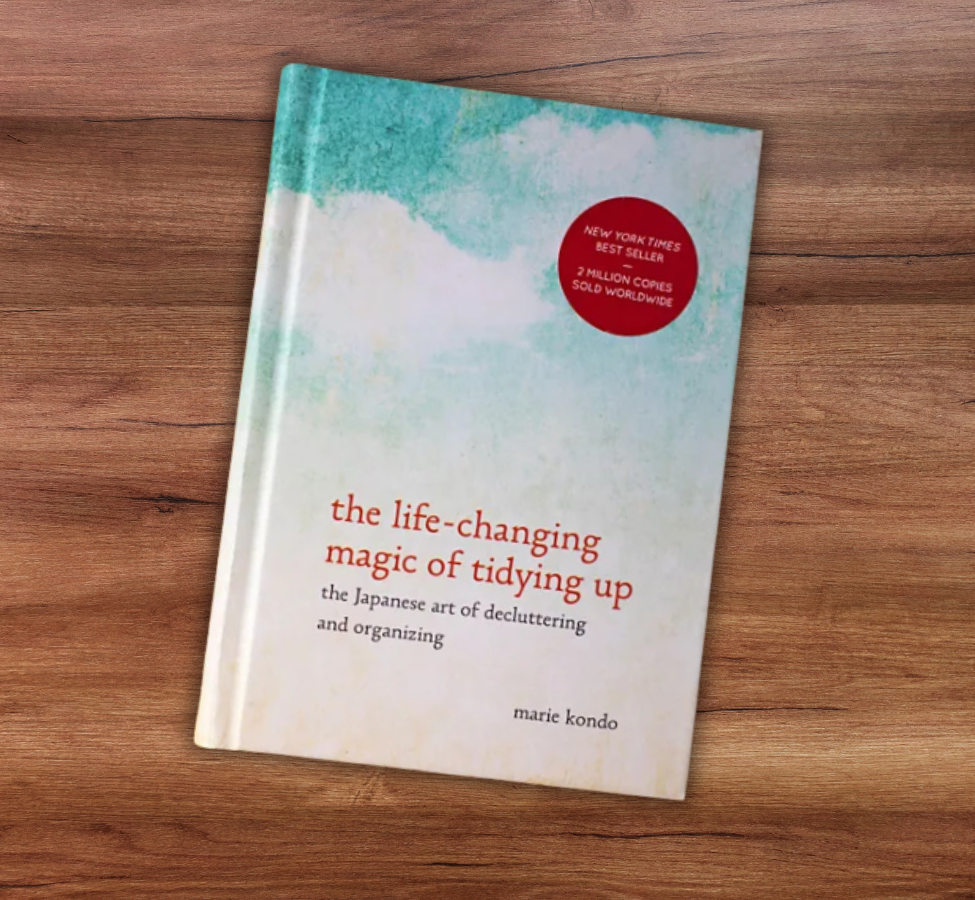
At the beginning of Covid, I ordered from Amazon The Life-Changing Magic of Tidying Up by Marie Kondo.
By that point, I had been hearing about the MarieKondo Method for years. It was everywhere for a while — blogs, social media, organizing videos, conversations about decluttering and tidying and finally getting your house in order once and for all. And honestly, I wanted it to be the thing. I wanted it to be the method that made everything click.
And to be fair, I really did like parts of it.
There was a lot in the book that felt thoughtful and even hopeful. It made me think differently about decluttering, tidying, and the way our homes can hold more than just stuff. Sometimes they hold stress, pressure, unfinished decisions, and a whole lot of emotional weight too. At one point, I was even intrigued enough by it that I considered learning more about it in a bigger way.

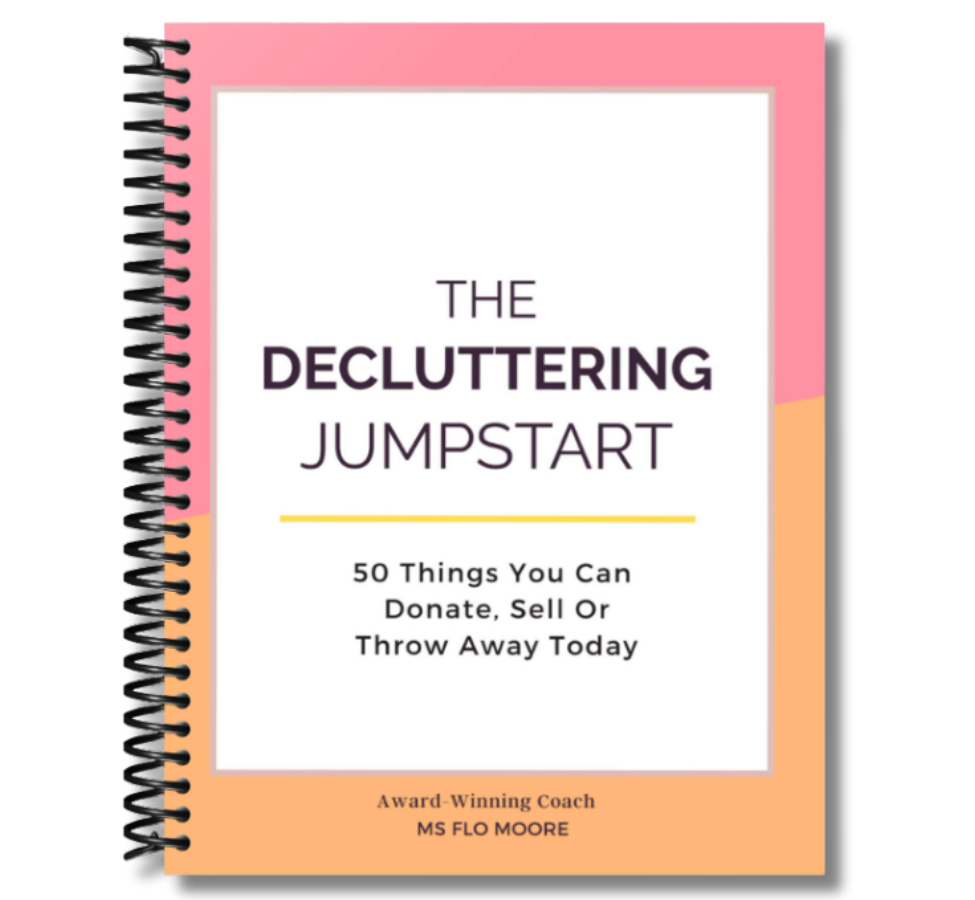
Want to save the jumpstart declutter? Enter your email below and we’ll send it straight to your inbox.
Fields marked with an * are required
But the more I sat with it, the more I realized there were parts of the MarieKondo Method that just didn’t fully sit right with me. Not because it was all wrong, but because some of it felt a little too rigid for real life — especially for women who are managing a home, working, raising kids, sitting in carpool lines, and carrying the mental load of a hundred little things every day.
At this point in my life, I’m less interested in doing things perfectly and more interested in building a home that feels peaceful, lived-in, and full of grace.
So I thought I’d share the biggest reasons why parts of the MarieKondo Method just don’t work for me — and what I think works better instead.
1. Emptying everything out is too overwhelming
I’ve realized that pulling everything out at once just doesn’t work for me.
In theory, it sounds productive. In real life, it creates a bigger mess than I started with. And when I’m already feeling behind or overwhelmed, the last thing I need is a giant pile staring at me that I now have to deal with.
I’ve been there — starting with good intentions, dumping everything out, and then running out of time or energy. And suddenly, instead of one messy drawer, the whole room feels worse.
What actually works better for me is keeping it small and finishable. One drawer. One shelf. One small space I can complete from start to finish. That way I walk away feeling done instead of defeated.
2. You do not need to wait for a big decluttering event to make progres
I used to think I needed a full day (or at least a full afternoon) to really declutter.
But the truth is, that kind of time doesn’t show up very often.
What’s worked better for me is letting go of the idea that this has to be a big event. I don’t need a free weekend. I don’t need everything to be quiet and perfect. I just need to start.
Fifteen minutes is enough to make progress. Clearing one small surface is enough. Tossing a handful of things is enough.
And those small pockets of effort add up way faster than I expected. It stops feeling like this big project I have to plan for and starts feeling like something I can actually keep up with in real life.
3. A clean, functioning home matters now — not just after the decluttering is done
One thing I’ve learned is that I don’t need to wait until everything is fully decluttered to feel some relief in my home.
If my kitchen is stressing me out, I can clear one counter today. If the living room feels chaotic, I can reset one area tonight. If laundry is piling up, I can do one load and put it away.
Those small wins matter more than I used to think. Because when my home starts to feel a little better right away, I feel more motivated to keep going. I’m not waiting for some “finished” version of my house to feel peaceful — I can create that feeling in pieces, as I go.
4. Emotions are not always the best decluttering guide
A lot of my stuff doesn’t bring up a clear “joy” or “no joy” answer. Instead, it brings up mixed feelings — guilt because I spent money on it, pressure because I feel like I should use it, memories tied to a different season of life, or that familiar thought of I might need this someday. And honestly, that is usually where I get stuck.
What works better for me is keeping decluttering simple and practical. Instead of overthinking every item, I ask myself: Do I use this? Do I need this right now? Is this helping my home feel calmer or more stressful? When I take the emotional pressure out of it, I can make decisions faster, with a lot more clarity, and without turning every drawer into a therapy session.
5. Habits and routines matter more than a perfect purge
This has probably been the biggest shift for me: decluttering helps, but it is not the whole solution. Getting rid of stuff can absolutely make a difference, but if my everyday habits stay the same, the clutter always finds its way back in.
If I’m still dropping things on counters, walking past piles, avoiding putting things away, or letting little messes build up, it does not really matter how much I decluttered last weekend. Eventually, things start creeping back in and my house begins to feel chaotic all over again.
What has made the biggest difference for me is focusing on simple, repeatable habits — putting things back when I’m done, doing small resets, not letting piles sit too long, and handling things when I touch them instead of putting them off for later.
That is what actually helps me keep my home under control. Not perfection. Not doing everything right all the time. Just creating a simple rhythm that keeps things from getting out of hand again.
55 Tiny Things You Can Declutter in Less Than 2 Minutes Starting Today
Get the password for the library with the free file by filling out this form:
Leave a comment in the Facebook group or tag me on social media with #msflomoore letting me know if you’ve tried the MarieKondo method, and whether it worked for you?
Love